If you’re asking where do I register my dog in Tripp County, South Dakota for my service dog or emotional support dog, the key thing to know is this: dog licensing is usually handled locally (often by the city where you live), while service dog legal status and emotional support animal (ESA) status are separate from licensing.
This page explains how a dog license in Tripp County, South Dakota typically works, where to start with official offices, what rabies documentation is commonly required, and how to avoid confusion between a pet license and disability-related animal rules.
- Dog licensing is a local registration/tag requirement (often city-based).
- Service dog status is based on federal law and training to perform tasks for a disability—not on a “registration card.”
- Emotional support animals (ESAs) are not service animals for public access, and they typically do not receive a special “license.”
Where to Register or License Your Dog in Tripp County, South Dakota
Because licensing and enforcement can be handled at the city level (and rules can differ depending on whether you live inside city limits), the best first step for where to register a dog in Tripp County, South Dakota is to contact your local city office (or the local law enforcement/animal control contact for your area). Below are several example official offices within Tripp County that residents commonly use for local animal ordinance questions, dog tags, and rabies compliance guidance.
City of Winner (Local Ordinances / Finance Office Contact)
- Address: 325 S Monroe Street, Suite #118
- City/State/ZIP: Winner, SD 57580
- Phone: 605-842-2606
- Email: financeofficer@winnersd.org
- Office hours: Not listed
Tripp County Sheriff’s Office
- Address: 200 E. 3rd Street
- City/State/ZIP: Winner, SD 57580-0531
- Phone: 605-842-3600
- Email: spettit@trippcounty.us
- Office hours: Not listed
Tripp County Treasurer’s Office (Courthouse)
- Address: 200 E. 3rd St, Suite 203
- City/State/ZIP: Winner, SD 57580
- Phone: 605-842-1700
- Email: Not listed
- Office hours: Monday–Friday, 7:30am–4:00pm
Tripp County Register of Deeds (Courthouse)
- Address: 200 E 3rd St
- City/State/ZIP: Winner, SD 57580
- Phone: 605-842-2208
- Email: kassman@trippcounty.us
- Office hours: Not listed
Overview of Dog Licensing in Tripp County, South Dakota
What a dog license is (and what it isn’t)
A local dog license is typically a city-issued registration that results in a tag or record tying a dog to an owner/address. People often search for an animal control dog license Tripp County, South Dakota because licensing is commonly associated with animal control or law enforcement. In many South Dakota communities, it’s the city (or local officials designated by the city) that collects fees and issues tags, while enforcement may involve local police or the sheriff depending on where you live.
A dog license is not a service dog “certification,” and it is not the same thing as an ESA letter. Even if your dog is a trained service dog, local governments can still require compliance with generally applicable public health rules like rabies vaccination and local licensing/tags.
Why local governments require licensing
While details differ by jurisdiction, local dog licensing usually helps with: reunification if a dog is found as a stray, confirming ownership, supporting local animal control services, and encouraging compliance with vaccination requirements (especially rabies). If your dog is ever picked up as a stray or involved in an incident, licensing can reduce delays and help confirm that your dog’s rabies status is current.
Rabies vaccination: the most common “proof” requested
Rabies rules in South Dakota can involve multiple layers (state guidance plus local ordinance requirements). As a practical matter, many cities and local agencies require proof of current rabies vaccination to obtain or renew a dog license/tag. If you’re preparing to register your dog, plan to bring a rabies certificate from your veterinarian and keep a copy for your records.
How Dog Licensing Works Locally in Tripp County, South Dakota
Step 1: Identify your local licensing authority (city vs. rural county)
The most important local detail is where you live:
- Inside city limits (example: Winner): licensing and rules are commonly established by city ordinance, and the city will direct you to the correct office (often a finance office or city office).
- Outside city limits (rural Tripp County): requirements may differ. In rural areas, enforcement questions often go through the Sheriff’s Office, and they can direct you to the correct licensing or public health contact.
If you’re still unsure where to register a dog in Tripp County, South Dakota, call one of the offices listed above and ask: “Do you issue dog tags/licenses for my address, or which office does?”
Step 2: Gather documents and pay the local fee
Most jurisdictions that issue local dog licenses will require some combination of: owner identification, proof of residency, and rabies vaccination paperwork. You may also be asked for basic information about the dog (breed, color/markings, age, and sex). Fees vary by locality and can change, so confirm the current amount when you contact the office.
Step 3: Receive a tag/receipt and keep records current
Many local licensing systems issue a tag number or physical tag designed to be worn on a collar. If you move, transfer ownership, replace a collar, or your dog’s rabies status changes, update your records according to local instructions. Keeping your information updated is especially helpful if your dog is found off your property.
Local rabies enforcement and why it matters for licensing
Local governments frequently connect dog licensing to rabies control. For example, the City of Winner publicly notes that dogs in the city must be current on rabies shots, alongside leash requirements. In practical terms, that means rabies documentation is often the first thing you’ll be asked about when seeking a license or addressing an animal control issue.
Service Dog Laws in Tripp County, South Dakota
Service dogs vs. a local dog license
A service dog is generally a dog that is individually trained to do work or perform tasks for a person with a disability. This legal status is separate from any dog license in Tripp County, South Dakota. In other words: your dog may be a legitimate service dog under federal law and still be required to follow local rules that apply to all dogs (like vaccination, leash rules, and licensing/tag requirements).
Do you need to “register” a service dog with the county?
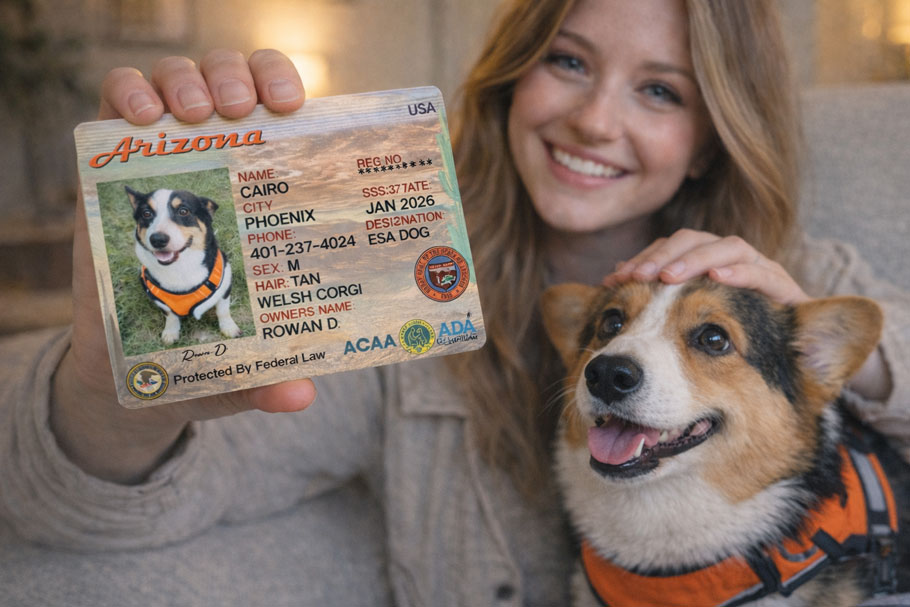
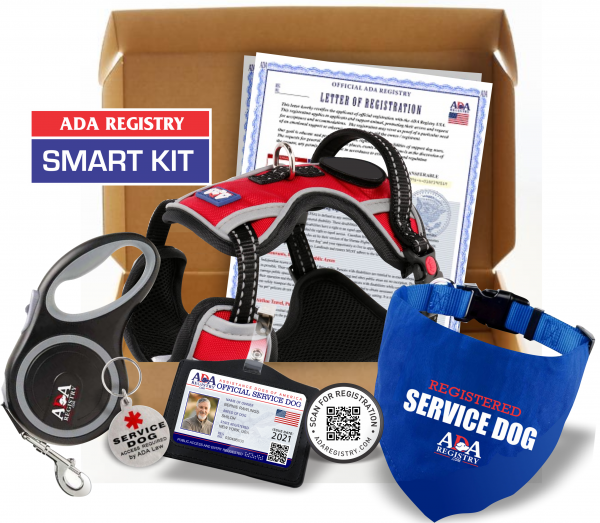
Typically, no special county “service dog registry” is required for public access rights. Be cautious of third-party “registrations” marketed online—those are not government licensing systems and are not the same as local dog licensing. What you may need locally is simply the same thing any resident needs: a local license/tag and proof of current rabies vaccination if required by your city or local ordinance.
When local rules can still apply
Even with a service dog, local public health and safety rules can matter. For example:
- Rabies vaccination requirements (often enforced locally)
- Leash and at-large rules (unless a leash interferes with the dog’s trained tasks, in which case control can be maintained by other effective means)
- Licensing/tag rules that apply to all dogs in a jurisdiction
If you’re calling about animal control dog license Tripp County, South Dakota for a service dog, ask the office whether there is any locally provided discount or exemption and what documentation (if any) is required for that discount—without assuming that a “service dog registration card” is needed.
Emotional Support Animal Rules in Tripp County, South Dakota
ESAs are not the same as service dogs
An emotional support animal (ESA) provides comfort or emotional benefit, but ESAs are generally not considered service animals for public access. That distinction matters because businesses and public places that must allow service dogs are not necessarily required to allow ESAs in the same way.
Does an ESA need a special license or registration?
Most often, no. An ESA generally follows the same local pet rules as any other dog. So if you’re trying to figure out where to register a dog in Tripp County, South Dakota and your dog is an ESA, start with the same local offices used for standard dog licensing. The local government is typically issuing a pet license/tag, not an ESA designation.
Housing and documentation (general guidance)
ESA-related documentation commonly comes up in housing situations. If you are requesting a disability-related accommodation from a housing provider, you may be asked for reliable documentation supporting the need for the animal. That is separate from city or county dog licensing, which focuses on public health/safety items like rabies vaccination, identification, and local fee payment.